
|
Recent Grants
Below are some examples of successfully completed funded by the FishAmerica Foundation.
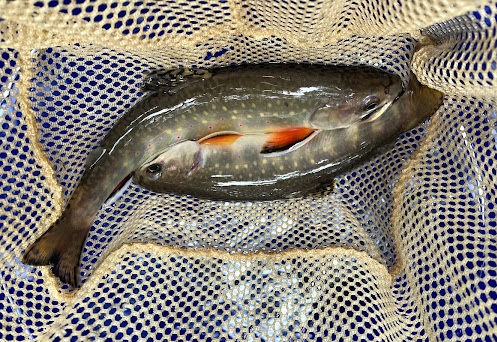
The Ostego County Road Commission improved water quality to eight miles of downstream habitat and improved fish passage to three miles of upstream spawning habitat along the Sturgeon River in the Cheboygan River watershed. They installed a bridge at a stream crossing to eliminate erosion and
sedimentation which reduced water quality and adversely affected instream habitat. The Sturgeon River is an exceptional coldwater system that supports brook trout, brown trout, and rainbow trout.
Project Results:
• 3 miles of fish passage to upstream habitat restored
• 8 miles of downstream habitat and water quality improved
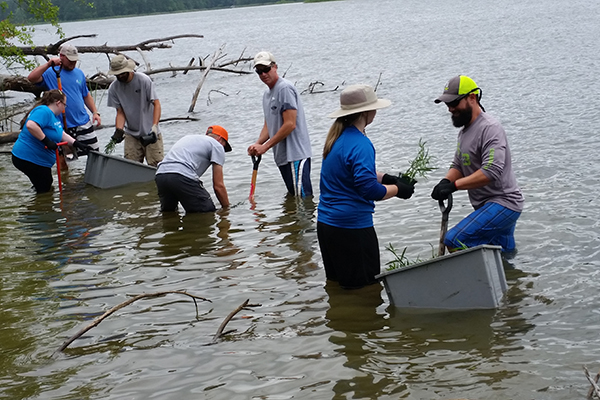
G Works, Inc., a local non‐profit in Puerto Rico, restored nearly two acres of mangrove fish habitat in San Juan Bay along the northeast side of the island. Mangroves provide essential habitat to many species of sportfish including snook. They also stabilize the shoreline and reduce erosion and sedimentation. Volunteers planted 3,000 red mangrove propagules. Local fisherman will work with G Works to monitor the project site to ensure its success. G Works will also educate the local residents about the importance of mangrove forests through outreach events and community meetings.
Project Results:
• 2 acres of mangrove fisheries habitat restored
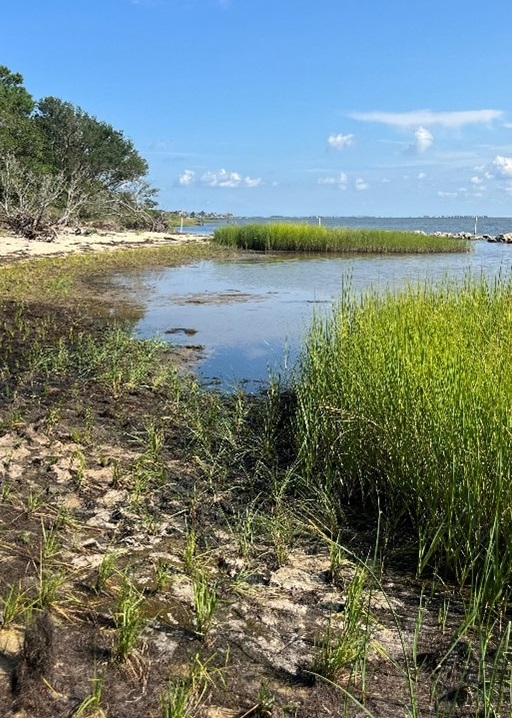
St. Lucie County restored nearly 6 acres of a spoil island by removing exotic plants and revegetated the area with native plants. The project stabilized the shoreline and reduced erosion into the Indian River Lagoon. It also reconnected tidal flow to an inland wetland providing additional fish habitat for sportfish such as spotted seatrout, redfish, and snook. The spoil island is designated as an active recreation island and is used for fishing, camping, and other recreational activities. The island has good boating access and provides fishing opportunities in the seagrass beds adjacent to the island.
Project Results:
• 0.25 acres of wetland spawning and rearing habitat restored for sportfish
• 6 acres of spoil island stabilized to prevent erosion and sedimentation
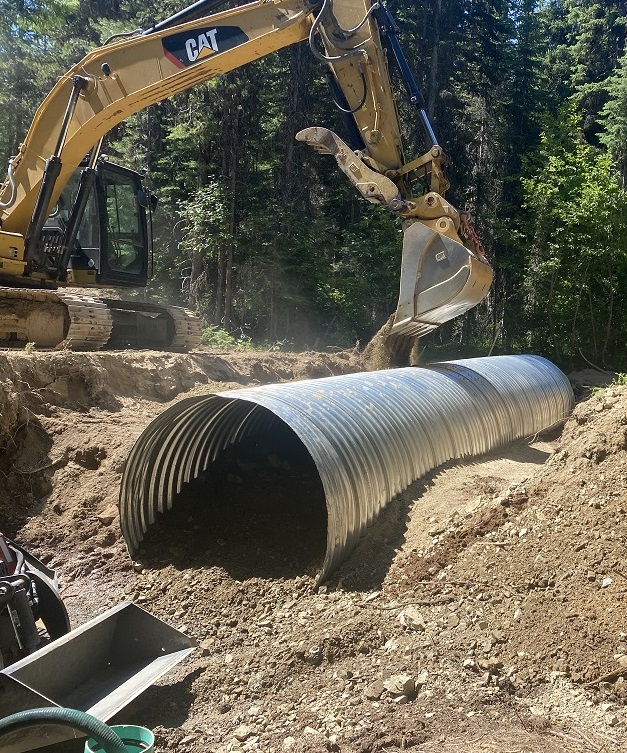
The Monroe County Roads Department replaced existing undersized culverts with a fish‐friendly culvert design along Benson Slash Creek in west‐central Arkansas. The new culverts will improve fish passage for largemouth bass and sunfish and allow for access to more than one mile of recently restored instream habitat.
Project Results:
• More than 1 mile of fish passage restored
The Town of Somerset restored fish passage to 11 acres of salt marsh habitat for striped bass and
bluefish. They replaced an undersized culvert with a larger box culvert, enhancing tidal flow and fish
passage to the salt marsh. They also restored 1,000 feet of channel between the marsh and the Taunton River, a tributary of the Narragansett Bay.
Project Results:
• 11 acres of salt marsh restored for spawning, rearing, and foraging
• 1,000 feet of channel (instream habitat) restored
The North Olympic Salmon Coalition created a half mile of channel rearing habitat, restored one quarter mile of mainstem channel, and improved 9 acres of floodplain habitat for salmonids along Morse Creek, the largest independent Strait of Juan de Fuca tributary located on the Olympic Peninsula. They returned the mainstem channel to its historic location, reducing velocities and eliminating the passage problems. To restore instream spawning habitat, they placed gravel along the streambed and added habitat structures near pools. Sportfish that will benefit include steelhead and cutthroat trout and coho and chum salmon.
Project Results:
• Nearly 1 mile of stream habitat restored for spawning and rearing
• 9 acres of floodplain spawning habitat restored
The Freshwater Trust restored salmonid spawning and rearing habitat along the Salmon River in the
Sandy River basin. They reactivated year‐round surface flow to side channels, constructed pool habitat, installed engineered log jams and large wood habitat structures in side channels, and revegetated riparian areas along the stream. The side channels will provide rearing habitat and the mainstem pool and instream habitat will created spawning habitat for several species of salmonids including coho and spring Chinook salmon, and winter steelhead trout. The revegetated riparian areas will provide shade to cool water temperatures, provide a source for large wood instream structures, and improve water quality by stabilizing the streambanks and preventing excess sedimentation.
Project Results:
• 2,000 feet of side channel rearing habitat restored
• 1,000 feet of mainstem spawning habitat restored
• 3.5 acres of riparian area revegetated
The Town of Riverhead reopened access for river herring and American Eels, a favorite forage fish of
striped bass, to more than one mile and approximately 25 acres of valuable spawning and rearing
habitat in the Peconic River watershed of Long Island. They constructed a rock ramp fishway on the
South Channel Spillway in Grangebel Park. The project has increased recreational opportunities for
residents and visitors to the area.
Project Results:
• 25 acres and 1 miles of fish passage restored for spawning and rearing
The Beaver Creek Watershed Association restored 850 linear feet of stream channel along Beaver Creek in the Antietam Creek watershed. They installed instream habitat structures to create pool and riffles and increase the available habitat for trout. The structures also adjusted the channel width and stabilized the streambanks, preventing erosion and excess sedimentation and improving water quality.
Volunteers from the local schools and community and Trout Unlimited and the Fly Fishing Federation revegetated the riparian areas to cool water temperatures, provide for future large wood recruitment and help stabilize the streambanks. The project will benefit wild brown trout and rainbow trout.
Project Results:
• 850 linear feet of restored stream channel
The Barry Conservation District removed two dams to improve fish passage to 165 miles of upstream
fish habitat and restored 23 acres of important floodplain fisheries habitat along the Thornapple River and Butternut Creek. More than 130 volunteers planted 16,286 native plants along nearly 2 miles of stream. The project will provide habitat for northern pike, small and largemouth bass, bluegill, walleye and yellow perch.
Project Results:
• 165 miles of stream opened
• 24 acres of floodplain fisheries habitat
• 2 miles of riparian area restored
|